Eswatini Evaluates Pipeline from the Port of Maputo
At a time marked by global instability in energy supplies, the initiative could reduce logistics costs and ensure greater stability in fuel supplies.
The Kingdom of Eswatini has expressed interest in building a fuel pipeline from the Port of Maputo, an initiative that could reshape the logistics and energy infrastructure between the two countries while addressing growing pressures on the global energy supply.
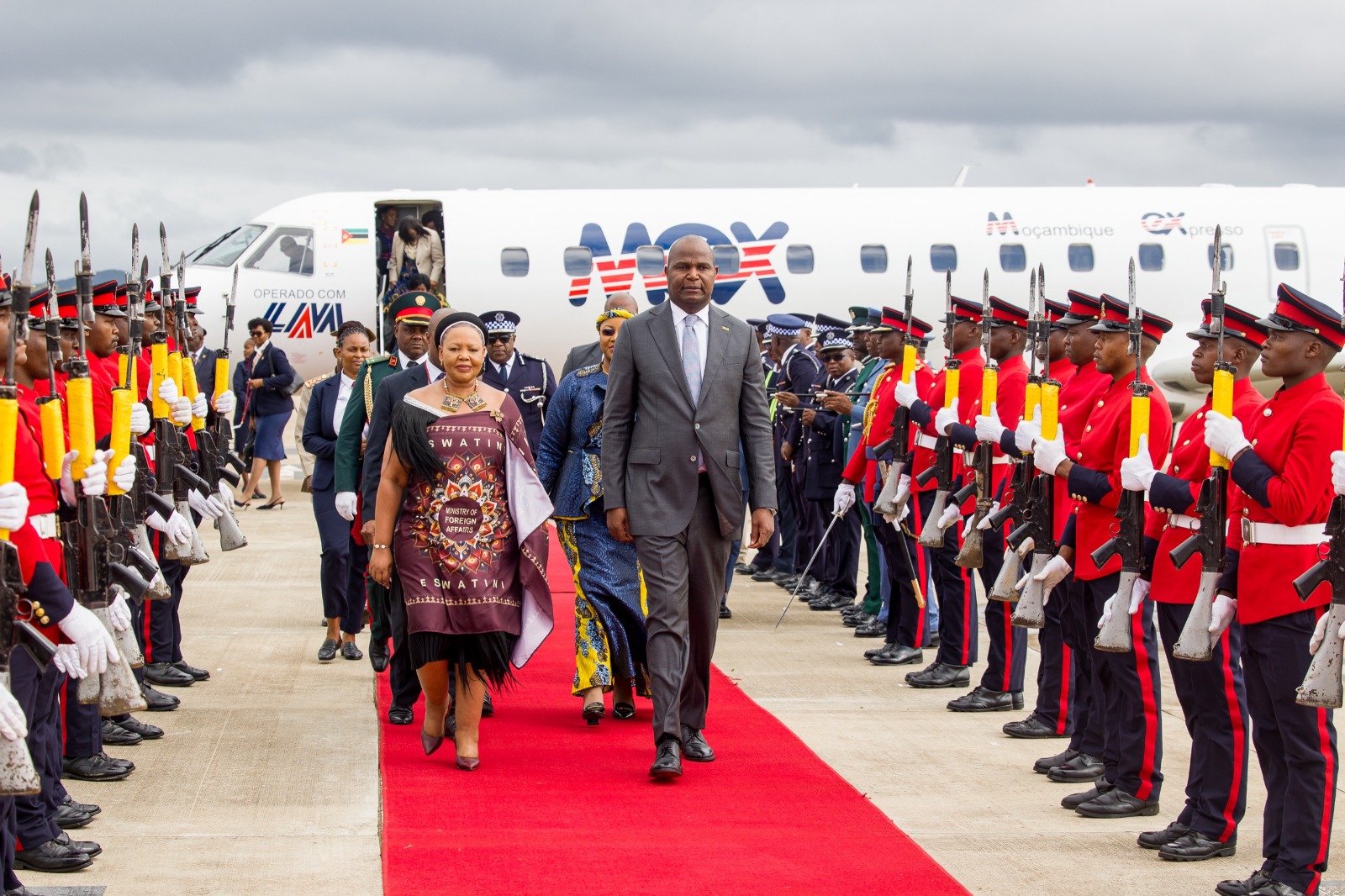
The information was disclosed by the President of the Republic of Mozambique, Daniel Chapo, during his review of his recent official visit to the neighboring country, where he participated in the celebrations marking the 40th anniversary of King Mswati III’s reign. The Head of State emphasized that the proposal aims to ensure greater security in fuel supplies to Eswatini, while simultaneously reducing the logistics costs associated with transportation.
Eswatini’s interest should be interpreted in light of an international context marked by uncertainties in energy supply, strongly influenced by geopolitical tensions, particularly in the Middle East. This environment has led several countries to strengthen their strategies for storage, diversification of sources, and energy security.
Currently, Eswatini already uses the Port of Maputo as one of its main entry points for fuel. The creation of a dedicated pipeline transport infrastructure could significantly increase the system’s efficiency, reduce operational losses, and ensure greater predictability in supply.
Furthermore, the project is part of a broader vision to expand fuel storage capacity in Eswatini and is viewed as a complementary solution to ensure a stable and continuous supply.
Despite its strategic potential, the President of the Republic emphasized that the initiative is still in its early stages, requiring detailed technical studies to assess its economic and operational feasibility.
Beyond the energy component, the project emerges within the context of strong relations between Mozambique and Eswatini, marked by political, diplomatic, and economic cooperation. The energy sector, in particular, has played a central role in interactions between the two countries.
The eventual realization of this pipeline could consolidate the Port of Maputo’s position as a regional logistics and energy hub, reinforcing its importance in supplying countries in the hinterland and contributing to economic integration in Southern Africa.(O.E, 2026-04-27)